Call us now :08045811641
 Send Inquiry
SODIUM FILLER MASTERBACH
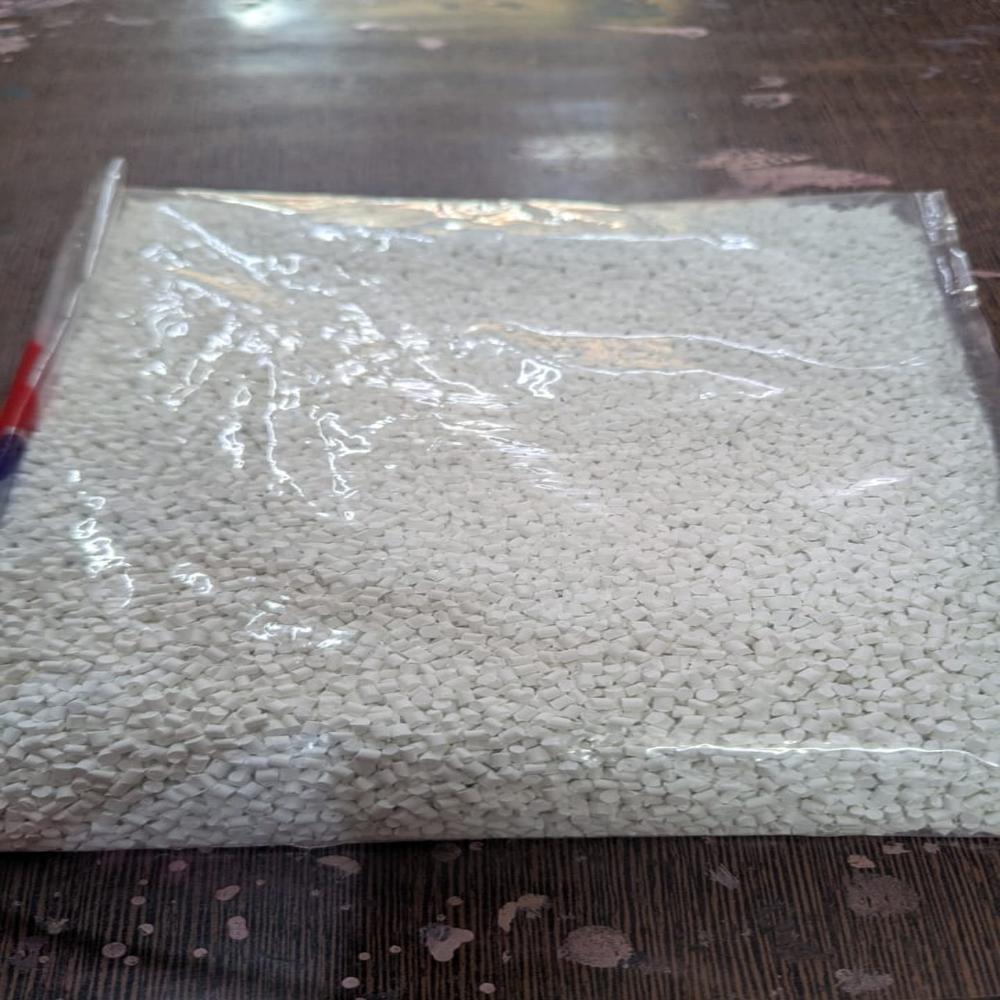

SODIUM FILLER MASTERBACH Specification
- Mesh
- 400 mesh
- Particle Count
- Uniform
- Material
- Sodium-based inorganic filler blended with PE
- Shape
- Cylindrical Granules
- Particle Size
- 10-15 microns
- Carrier
- Polyethylene (PE)
- Usage
- Plastic modification and cost reduction
- Purity
- 98% min.
- Color
- White
- Type
- Sodium Filler Masterbatch
- Application
- Blown film, Extrusion, Molding
- Appearance
- Granular
- Density
- 2.7 Gram per cubic centimeter(g/cm3)
- Toxicity
- Non-toxic, RoHS compliant
- MFI (Melt Flow Index)
- 1.5-3.5 g/10 min (230C/2.16kg)
- Moisture Content
- <0.10%
- Melting Point
- 120-130C
- Odor
- Odorless
- Storage
- Store in a cool, dry place away from moisture
- Dosage Recommendation
- 10%-40% depending on application
- Shelf Life
- 12 months from manufacturing date
- Packaging
- 25 Kg laminated PP bag
- Compatibility
- Suitable for LDPE, LLDPE, HDPE, and PP
SODIUM FILLER MASTERBACH Trade Information
- Minimum Order Quantity
- 500 Kilograms
- FOB Port
- DELHI
- Payment Terms
- Cash on Delivery (COD), Cash Advance (CA)
- Supply Ability
- 50000 Kilograms Per Day
- Delivery Time
- 3 Days
- Sample Policy
- Sample costs shipping and taxes has to be paid by the buyer
- Main Domestic Market
- All India
About SODIUM FILLER MASTERBACH
Sodium Filler Masterbatch
Cost-Efficient Filler Solution for Polyolefin-Based Plastics
Description:
Sodium Filler Masterbatch is a high-performance filler composed primarily of sodium compounds such as sodium sulfate or sodium silicate, blended with polyolefin carrier resins (typically PE or PP) and functional additives. It is specially formulated to reduce raw material costs and improve processability in various plastic manufacturing processes.
This masterbatch enhances film stiffness, printability, and optical properties, making it an ideal additive for blown film, lamination, and injection/extrusion molding applications.
Key Features:
-
Excellent dispersion and compatibility with PE/PP
-
Cost-saving by replacing virgin resin
-
Improves stiffness and print quality in films
-
Enhances process stability during extrusion
-
Environmentally friendly and non-toxic
Applications:
-
Blown film (shopping bags, garbage bags)
-
Extrusion (sheet, pipe)
-
Injection molding
-
Lamination films
-
Non-woven and raffia products
High Compatibility and Efficiency
This sodium filler masterbatch blends seamlessly with LDPE, LLDPE, HDPE, and PP, enhancing process efficiency in various plastic manufacturing techniques such as blown film, extrusion, and molding. Its robust formulation guarantees uniform dispersion, delivering consistent quality and reliable performance for cost-effective production.
Safe and Sustainable Solution
Odorless and non-toxic, the masterbatch is RoHS compliant and poses no risk to operators or end-users. The sodium-based inorganic filler, combined with a polyethylene carrier, ensures environmental safety and meets international industrial standards. Proper storage extends its shelf life, supporting sustainable usage.
FAQ's of SODIUM FILLER MASTERBACH:
Q: How should Sodium Filler Masterbatch be stored to maintain its quality?
A: Store the masterbatch in a cool, dry place, away from moisture and direct sunlight. Proper storage conditions help maintain its moisture content at less than 0.10%, preserving product performance and extending shelf life up to 12 months from the date of manufacture.Q: What types of plastics are compatible with Sodium Filler Masterbatch?
A: Sodium Filler Masterbatch is suitable for use with a variety of polyolefins, including LDPE, LLDPE, HDPE, and PP. It is specifically engineered to blend efficiently with these resins for numerous plastic processing applications.Q: When is it recommended to use Sodium Filler Masterbatch in plastic processing?
A: This masterbatch is ideal for plastic modification and cost reduction during processes such as blown film extrusion, injection molding, and general extrusion applications. Dosage typically ranges from 10% to 40% depending on the desired properties and application requirements.Q: Where can Sodium Filler Masterbatch be applied in industrial processes?
A: It is widely used in the manufacture of plastic films, sheets, and molded items where enhancement of mechanical properties and reduction of material costs are essential. Its compatibility with different resins makes it a versatile choice for plastic product manufacturers.Q: What benefits does using Sodium Filler Masterbatch offer?
A: The primary benefits include cost reduction, improved processability, and enhanced end-product quality. The masterbatch improves the mechanical properties and surface finish while being non-toxic, odorless, and compliant with RoHS standards.Q: How is Sodium Filler Masterbatch applied during manufacturing?
A: It is added directly to the base polymer at a recommended dosage of 10%-40%, depending on the application. Uniform cylindrical granules ensure easy feeding and consistent mixing with plastic resins during production.Q: What is the process for incorporating Sodium Filler Masterbatch into plastics?
A: The granules are dry blended or directly dosed into the polymer matrix prior to extrusion or molding. Due to their uniform particle size and high purity, they disperse readily, promoting even distribution and quality enhancement throughout the finished plastic product.Tell us about your requirement

Price:
Quantity
Select Unit
- 50
- 100
- 200
- 250
- 500
- 1000+
Additional detail
Mobile number
Email

More Products in FILLER Category
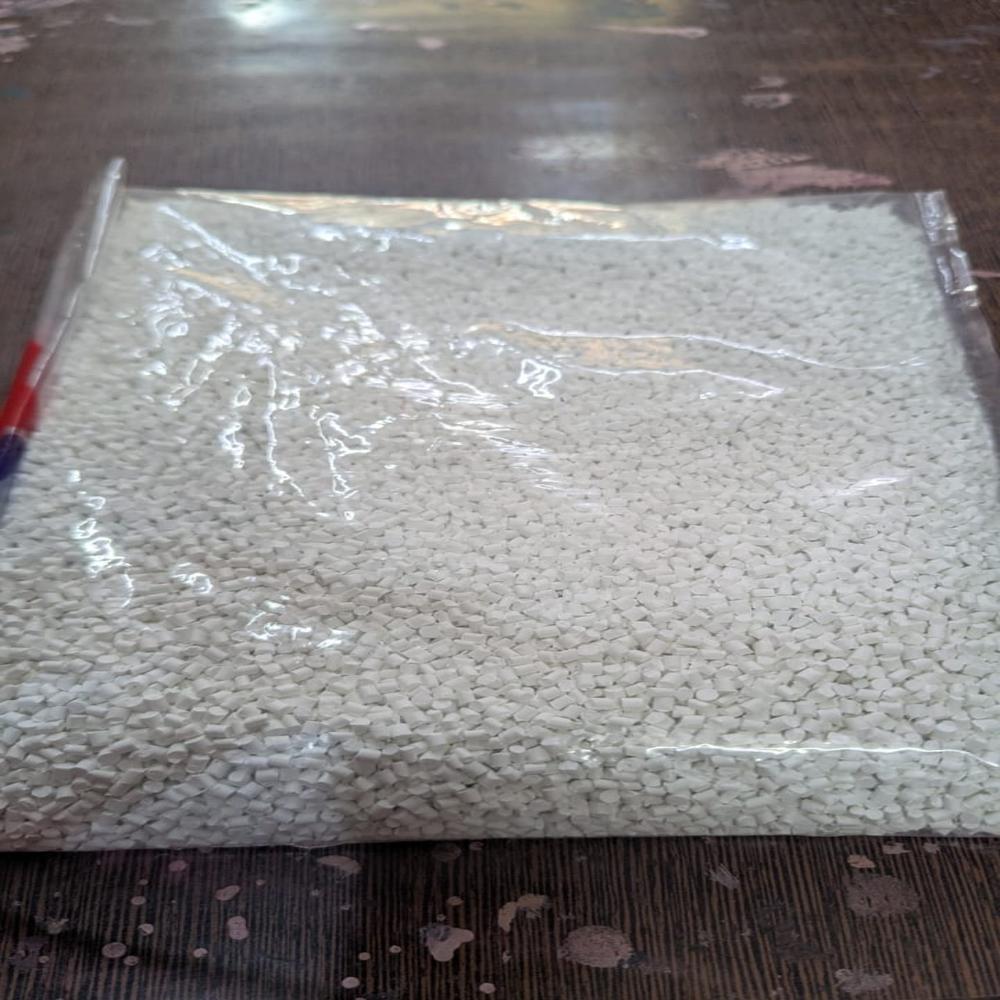
TALC FILLER MASTERBACH
Price 60.0 INR / Kilograms
Minimum Order Quantity : 500 Kilograms
Usage : Other, Improves mechanical properties, cost reduction
Mesh : 300 Mesh
Type : Filler Masterbatch
Color : White
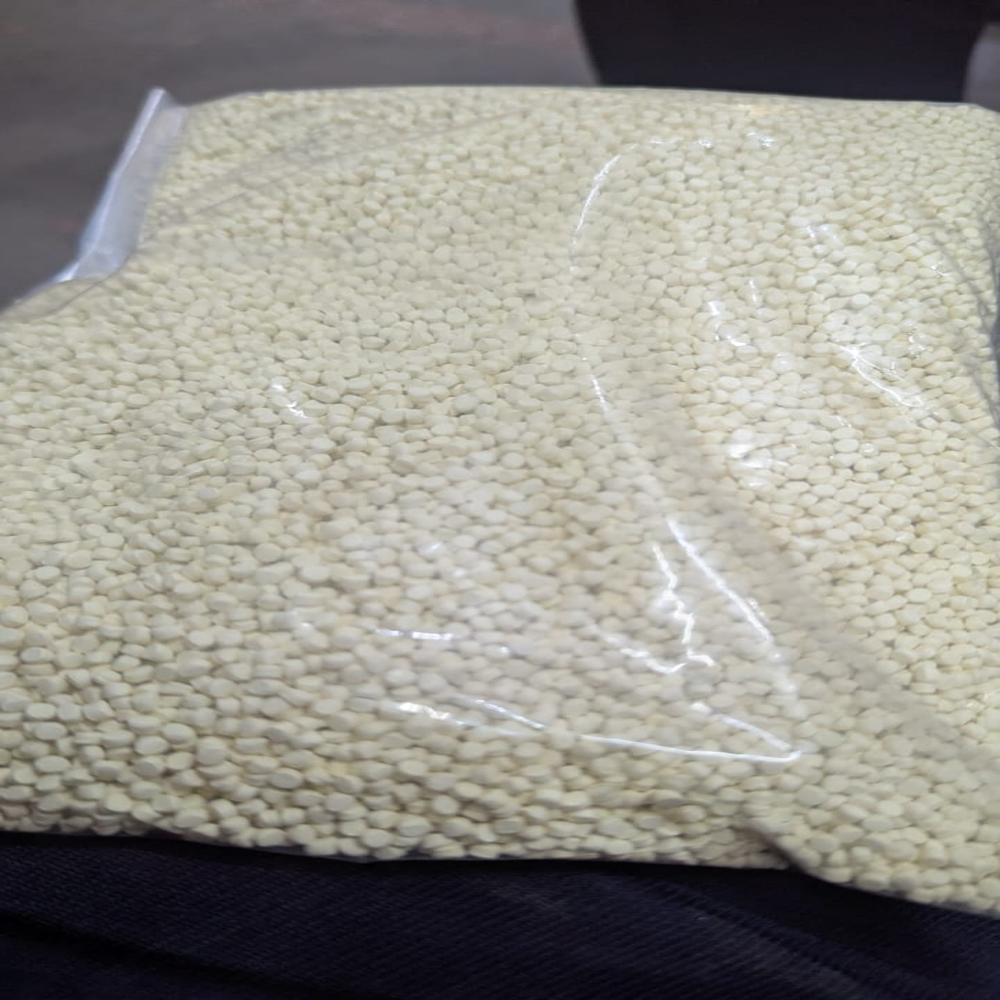
ANTI FAB FILLER
Price 23.0 INR / Kilograms
Minimum Order Quantity : 25 Kilograms
Usage : Other, As an additive to improve physical and mechanical properties
Mesh : 300 Mesh
Type : AntiFab Filler
Color : White
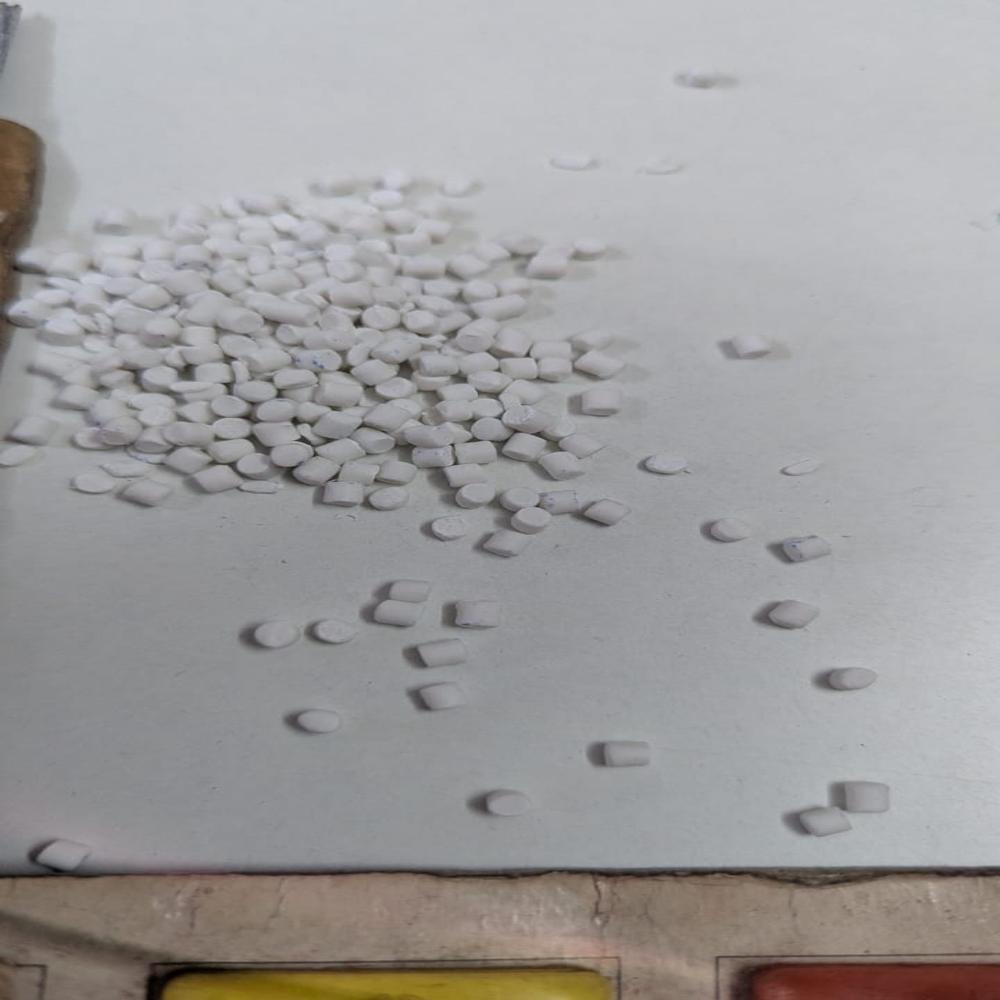
CALCIUM FILLER MASTERBACH
Price 40.0 INR / Kilograms
Minimum Order Quantity : 500 Kilograms
Usage : Other, Plastic Industry
Mesh : 400 Mesh
Type : Calcium Filler Masterbatch
Color : White

 Send Inquiry
Our Products
- Color Pigment
- Industrial Chemicals
- Powder Chemical
- Silicone Spray
- Optical Brightening Agents
- Polystyrene Powder
- Titanium Dioxide
- Calcium Carbonate
- Wax Spray
- Carbon Black
- Wax Powder
- Optical Whitener
- Food Color
- Silicone Grease
- Clarifying Agents
- Glitter Powder
- Rhodamine B Powder
- Plastic Sutli
- Gold Bronze Powder
- Premium Grease
- Gear Oil
- PP Granules
- Plastic Granules
- PVC Granules
- Polycarbonate Granules
- LLDPE Granules
- Color Masterbatches
- Special Masterbatches
- FILLER


KHASRA NO. 154/826-827, GROUND FLOOR, VILLAGE POOTH KHURD,Delhi - 110039, India

Mr Hariom Garg
(Proprietor)
Mobile :08045811641
 Send Inquiry
 Send SMS
 Call Me Free
Developed and Managed by Infocom Network Private Limited.
